
The question behind the work
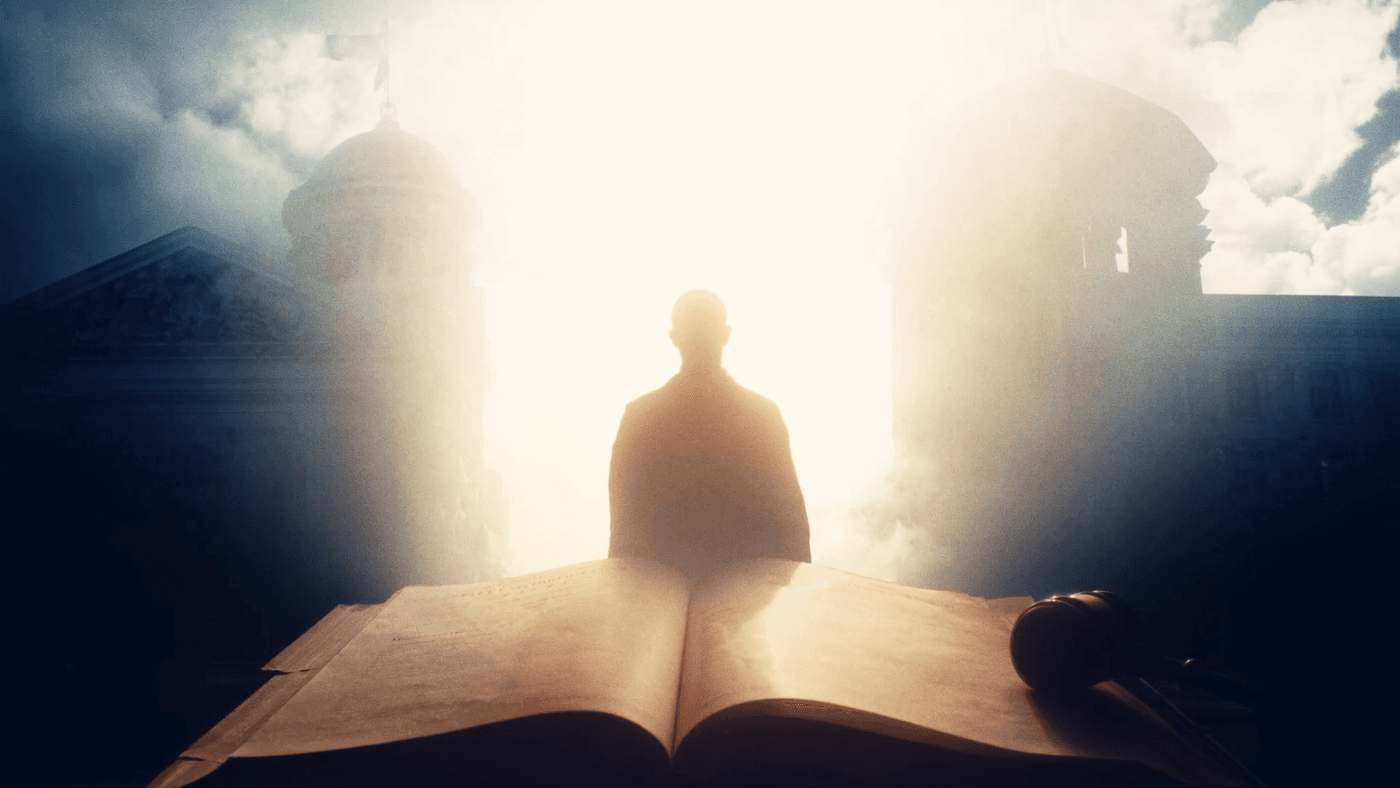
There is a question I have asked myself throughout my life. It first emerged long before I became a lawyer, long before I entered a courtroom and long before I founded a law firm.
The question is simple: what is the purpose of justice if we forget the human being standing before us?
The law is powerful. It protects rights, resolves disputes, creates order, provides remedies and can change lives. But the law should never become disconnected from the person it exists to serve.
The burden clients carry
Most people do not come to a lawyer because they have a legal problem in the abstract. They come because they are carrying a burden, a fear, a wound, a dream, a loss, a hope or a question about the future.
Sometimes they arrive feeling broken. Sometimes they arrive feeling overwhelmed. Sometimes they arrive feeling lost. In those moments, they are not simply looking for legal answers. They are looking for someone who listens, understands and can help them find a way forward.

The human being behind every file
Over the years, I have represented migrants pursuing a better future, families navigating painful separations, parents fighting for their children, business owners protecting years of sacrifice, injured people trying to rebuild and individuals facing criminal allegations.
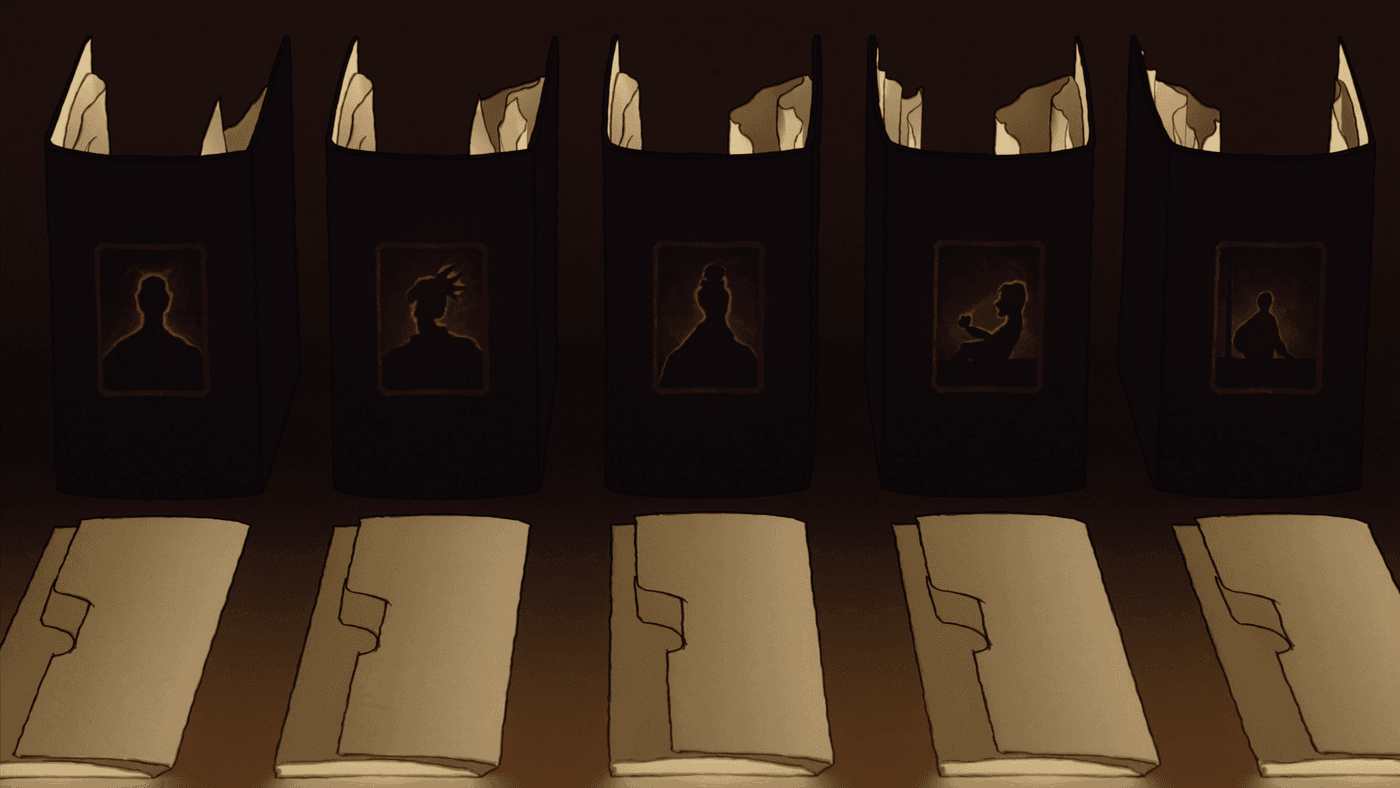
Every file looked different. Every legal issue was unique. Yet one thing remained constant: behind every file was a human being with fears, dreams and the hope that tomorrow might be better than today.
Legislation, precedents, procedures and legal arguments matter enormously. But they should never cause us to forget why the law exists in the first place. The law exists to serve people, not the other way around.
More than winning cases
I believe lawyers should fight fearlessly for their clients. I believe in preparation, advocacy, protecting rights and pursuing justice with determination and courage.
But winning a case is not always the end of a person's journey. A person may obtain a successful property settlement and still carry emotional scars from a painful separation. An injured worker may receive compensation and still need to rebuild confidence. A migrant may obtain a visa and still need support adapting to a new chapter of life.
The legal battle may be over, yet healing may remain unfinished. This is why my vision of law extends beyond legal outcomes. Justice matters, but wellbeing matters too.
The law at the service of humanity
As a lawyer, I believe the law should never lose sight of humanity. The law should not simply resolve disputes. It should help people move forward. It should not simply determine rights. It should help restore dignity. It should not simply close files. It should help open new chapters.
Humanity Above All means every person deserves dignity, respect and the chance to be heard. The Law At The Service Of Humanity means legal knowledge has little value if it is disconnected from compassion.
Your past does not determine your future
One setback does not define a life. One mistake does not define a person. One difficult chapter does not determine the ending of the story.
Human beings are capable of resilience, healing, rebuilding and transformation. Hope is not weakness. Hope is the force that inspires action and allows people to keep moving forward despite uncertainty.
Therapeutic justice and restorative justice
I am deeply inspired by the principles of therapeutic justice and restorative justice. These approaches recognise that people are more than legal cases. They are parents, children, partners, business owners, workers, members of communities and human beings.
Whenever possible, justice should contribute positively to wellbeing. Whenever possible, conflict should create opportunities for growth rather than permanent division. Whenever possible, healing should accompany resolution.
Sometimes the most important question is not simply whether we won. Sometimes the most important question is how the person is doing now.
Lawyer, author, humanist
People often ask why I describe myself as a lawyer, author and humanist. The answer is simple. Each role reflects a different aspect of the same mission.
As a lawyer, I defend. As an author, I seek understanding. As a humanist, I seek to build bridges between justice and humanity.
Together, these roles reflect my commitment to helping people navigate some of the most important moments of their lives, not simply through legal representation, but through understanding, guidance and hope.
From darkness to light
Life is not always easy. There are moments when everything appears uncertain, when relationships break down, businesses struggle, health fails or legal problems seem overwhelming.
Yet human beings are stronger than they often realise. We fall. We rise. We suffer. We heal. We lose our way. We find new paths.
I remain optimistic because I have witnessed extraordinary resilience in the people I have represented: people who refused to give up, rebuilt their lives, transformed adversity into opportunity and moved from darkness to light.
My commitment
If you entrust me with your matter, I will fight for your rights, advocate for your interests and pursue justice with determination and integrity.
But I will also remember the human being behind the case. My mission is not simply to help people win legal battles. My mission is to help people move forward, rebuild confidence, restore hope and create pathways towards a better future.
Justice matters. But people matter more.